
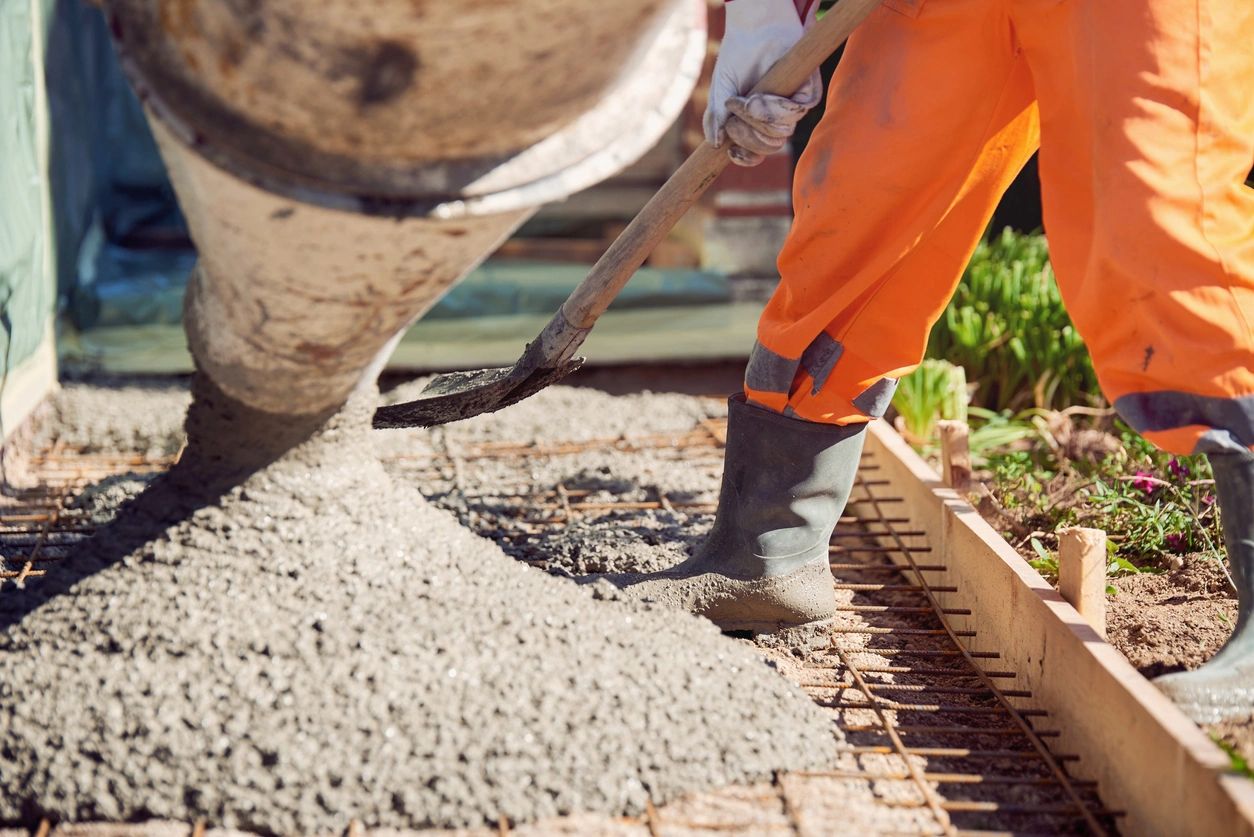

Site preparation for a manufactured home covers everything that needs to happen on your land before the home arrives: permits, land clearing, grading, foundation work, and utility connections. How involved this process is depends on the condition of your land, your county’s requirements, and the foundation type you choose. In most cases, buyers in North Carolina and South Carolina can expect the process to take two to six weeks before the home is ready to receive.
One of the most common questions buyers have after they decide on a home is: now what do I do with my land? The answer depends on where you are starting from. A cleared, level lot with road access and utilities stubbed to the property line is a very different starting point than a raw wooded parcel. But the steps are the same either way, and knowing them upfront keeps your project on schedule and your delivery on time.
Dropship MH coordinates the home order and delivery. What happens on your property before the truck arrives is your responsibility, though we can connect you with licensed contractors in select counties for turnkey installation. Here is exactly what that process
looks like.
Step 1: Permits
Before any ground is broken, you need the right permits in place. In North Carolina and
South Carolina, placing a manufactured home on private land requires a combination of
county and state-level approvals. Exactly which permits apply depends on your county,
your foundation type, and whether you are connecting to public utilities or installing a
well and septic system.
Common permits for a manufactured home placement include:
- Zoning approval or a land-use permit confirming that a manufactured home is
allowed on your parcel under local zoning ordinances - A building permit for the home installation, issued by your county building department
- An electrical permit, required before a licensed electrician can hook up service to the home
- A plumbing permit if you are connecting to a municipal sewer line or installing a new septic system
- A well permit if your property requires a new well for water supply
- A driveway or encroachment permit from your county or NCDOT if you are creating new road access from a state road
Permit timelines vary by county. Some counties in rural North Carolina process manufactured home permits in a few business days; others take two to three weeks. Pull permits early so they are not the item holding up your delivery.
Step 2: Land clearing and grading
Your delivery site needs to be accessible and level. A manufactured home is transported on a carrier and set by a crew, and the truck needs a clear path from the road to the placement location. If your lot has trees, brush, or debris in the way, that has to be cleared before delivery is scheduled.
Grading is equally important. The site where the home will sit needs to be level within a
specific tolerance, and the surrounding grade needs to direct water away from the foundation. Poor drainage is one of the most common causes of long-term problems with manufactured homes, and it is entirely preventable with proper site grading before placement.
If your land is already cleared and reasonably level, this step may be minimal. If you are starting with a raw parcel, budget time and money here before anything else.
Step 3: Foundation
The foundation is one of the more consequential decisions in the site prep process because it affects your financing options, your home's long-term stability, and in some counties, your permitting requirements. The three most common foundation types for manufactured homes are:
| Foundation type |
What it involves | Best for |
| Pier and beam (blocking) |
The home is set on concrete or adjustable steel piers. This is the most common and cost-effective option for manufactured homes in NC and SC. | Cash buyers, investors, and buyers on rural parcels where a full perimeter foundation is not required by the lender. |
| Perimeter foundation (curtain wall) |
A continuous block or poured concrete wall runs around the perimeter of the home. Skirting is integrated into the foundation rather than applied separately. | Buyers using FHA or VA financing, which often require a perimeter foundation, and buyers who want the finished look of a site-built home. |
| Full basement or crawl space |
A poured or block foundation with a full crawl space or basement below the home. Significantly higher cost but adds usable space and long-term value. | Buyers in markets where resale value and permanence are the priority, or where local codes require it. |
If you are using a lender to finance your home, confirm your foundation requirement with them before site work begins. Switching foundation types mid-project adds cost and time.
Step 4: Utility connections
Your home needs electricity, water, and waste management connected before it is
livable. How much work is involved in this step depends heavily on what is already at your property line.
Electricity
Your local utility provider or an REA (rural electric cooperative) will run a service line to a meter base installed on your property. A licensed electrician then connects the home’s electrical panel to that meter. If your parcel is in a rural area and the nearest power line is a significant distance away, extension fees from the utility can be a meaningful cost to factor in.
Water
If municipal water is available at your property line, connection involves a tap fee and running a water line from the meter to the home. If your property requires a well, factor in well drilling, casing, a pump, and a pressure tank. Well costs in North Carolina vary considerably by depth and geology; budget accordingly and get quotes before you commit to a site.
Sewer and septic
Where municipal sewer is available, connection involves a tap fee and a licensed
plumber running a line from the home to the sewer main. Where it is not available, a septic system is required. Septic design and installation requires a soil evaluation and percolation test, a permit from your county health department, and installation by a licensed contractor. This is often one of the longer lead-time items in site prep, so initiate it early.
Step 5: Driveway and access road
The delivery carrier needs a clear, firm path from the road to the home site. This means the driveway or access road needs to be in place before the delivery is scheduled. For many rural parcels, this means cutting and grading a driveway, installing a culvert at the road edge, and applying gravel. In some counties, a driveway permit or NCDOT encroachment permit is required if the driveway connects to a state-maintained road.
A poorly planned access road is one of the most common causes of delivery delays. Confirm your site access is delivery-ready before your home ships from the factory.
How long does site preparation take?
The timeline for site prep varies based on your starting point, your county’s permit processing times, and contractor availability. As a general guide:
- Permits: 3 to 15 business days depending on county
- Land clearing and grading: 1 to 5 days depending on lot condition
- Foundation work: 1 to 3 days for pier and beam; 1 to 2 weeks for a perimeter
foundation - Well and septic (if needed): 2 to 6 weeks from permit to completion
- Utility connections: 1 to 3 weeks depending on utility company schedules
For most buyers starting from a cleared lot with utilities nearby, the full site prep process runs three to four weeks. For buyers starting with a raw parcel requiring a well, septic, and new road access, plan for six to eight weeks minimum before the home can be delivered.
Dropship MH coordinates your home order and delivery timeline around your site
readiness. Having a clear picture of your prep timeline before you place an order helps ensure that the home arrives when your site is actually ready to receive it.













Yes. When you work with a licensed dealer like Dropship MH, the dealer holds the manufacturer account and purchases the home on your behalf. You access wholesale factory pricing through their license without needing one yourself.
“Mobile home” is an informal term for homes built before the federal HUD code was established in 1976. All manufactured homes built today must meet HUD standards for construction, safety, and energy efficiency. The two terms are often used interchangeably in conversation, but they refer to different eras of production.
Delivery timelines at Dropship MH run four to eight weeks from the date the order is placed, depending on the manufacturer’s production schedule and your site readiness. Having your site prepared before you place the order keeps the timeline as short as possible.
Dropship MH handles ordering, freight, and delivery logistics. Site preparation (foundation, grading, utilities, and permits) is the buyer’s responsibility. In select counties, Dropship MH can refer licensed contractors for turnkey installation and setup.
Dropship MH currently delivers throughout North Carolina and South Carolina. Delivery-only service is available statewide; turnkey installation is available in select counties. Check the territory list for current coverage.
No. When you purchase through a licensed dealer like Dropship MH, the dealer holds the manufacturer account and buys the home on your behalf. You receive factory pricing through their license without needing one yourself. This is the standard model for investors and builders who want manufactured home access without the overhead of becoming a licensed dealer.
Yes, though your options are different from owner-occupied financing. Cash purchases are the simplest. Hard money lenders who specialize in manufactured home investments are a common choice for spec build investors. Portfolio lenders (community banks and credit unions) sometimes offer investment property financing for manufactured homes on land. Dropship MH can connect qualified buyers with lenders who have experience in this space.
The total cost depends on the home you select, your site conditions, and local permit and contractor costs. The home and delivery are priced transparently through Dropship MH at factory rates. Site preparation (foundation, utilities, and permits) is an additional cost that varies by parcel. Request a quote with your specific land location and we can give you a realistic picture of the home and delivery portion of the investment.
From the time an order is placed, manufactured homes ship from the factory in four to eight weeks. Site preparation runs parallel to the order if started at the same time. For investors starting with a cleared, utility-ready parcel, it is realistic to have a home placed and rental-ready within two to three months of placing an order.
Yes. A significant portion of buyers who work with Dropship MH are new to manufactured housing and are coming from traditional real estate investing or are entering real estate investment for the first time. The quote process is designed to give you clear pricing and a realistic picture of what the project involves before you commit to anything.
Site preparation is the buyer’s responsibility. Dropship MH handles the home order, factory coordination, freight, and delivery. For buyers in select counties, Dropship MH can connect you with licensed contractors for turnkey site prep and installation. Contact us to confirm what is available in your county.
Yes. Placing a manufactured home on private land in North Carolina requires permits at the county level, including a zoning or land-use approval and a building permit for installation. Additional permits are required for electrical, plumbing, well, and septic work. Requirements vary by county, so confirm with your local building and planning office before starting work.
The most common and cost-effective option in North Carolina and South Carolina is a pier and beam setup, where the home is set on concrete or steel piers. If you are using FHA or VA financing, a perimeter foundation (curtain wall) is typically required. Confirm your lender’s requirements before beginning site work.
Yes. Many manufactured homes in rural North Carolina and South Carolina are placed on properties with private wells and septic systems. Both require county permits and licensed contractors. A soil evaluation is required before a septic system can be permitted, so initiate this process early in your planning.
If your land is raw or undeveloped, start the site prep process at the same time you begin shopping for a home. Manufactured homes typically ship four to eight weeks after an order is placed, and site prep for a raw parcel often takes a similar amount of time. Starting both in parallel keeps the project moving without delays on either end.